Ages 4–8
Foundations
Family Systems, body anatomy, feelings, safety, and respectful relationships — introduced through simple language, play, story telling and examples from a child's everyday life.
- Family
- Feelings
- Safety
- My body
- Story Telling
Calm, age-appropriate workshops on family, puberty, friendships and consent for children aged 4–18. Built for real classrooms, in language they can actually use.

A counsellor by training, Masha works with international schools from early years through secondary, teaching the topics most adults find hardest to start: family, body changes, reproduction, periods, friendships, consent, and online life.
The goal is never a perfect lesson. It's a child who leaves the room with words for what they were already feeling.
Why this matters
Schools know these topics matter, but rarely have a steady plan for who teaches them, in what order, and how. Masha brings the planning, the language, and the experience of having taught these conversations many times.
Ages 4–8
Family Systems, body anatomy, feelings, safety, and respectful relationships — introduced through simple language, play, story telling and examples from a child's everyday life.
Ages 9–12
The physical, social, and emotional changes of puberty, keeping a growing body healthy, personal hygiene, and the many shapes families take — held in open, child-led conversation.
Ages 13–18
Gender identity and expression, gender stereotypes, reproduction, sexual health, contraception, STI, navigating consent and unwanted pregnancy — taught with accuracy, calm, and respect for the choices ahead.
Topics covered
Understanding the why behind body changes, daily habits for a growing body, managing new emotions, and self-confidence through puberty.
Clear, factual teaching on how babies begin, pregnancy, and birth — age-appropriately.
What is a true friend? Difference between platonic and romantic friendships, and what shifts along the way.
Actionable strategies for resolving conflict healthily.
Body autonomy, respectful choices, everyday boundary language.
Sexual health education, understanding sexually transmitted infections and contraception, stigma-free.
How Masha teaches
Children get real answers — but in words and examples that match the stage they're actually at, instead of evasive or overcomplicated detours.
Counselling training helps Masha handle embarrassment, nervous laughter, and big feelings without shutting children down or making them small.
Sessions give your staff language, structure, and topic framing they can carry back into ordinary classroom moments long after the workshop ends.
What a session looks like
Based in Singapore and working with schools across Singapore and Malaysia. Sessions are delivered in person by preference; online delivery is available on request. Schools are welcome to discuss how the workshop can be tailored to their community's needs or aligned with existing wellbeing programmes.
From the workshops
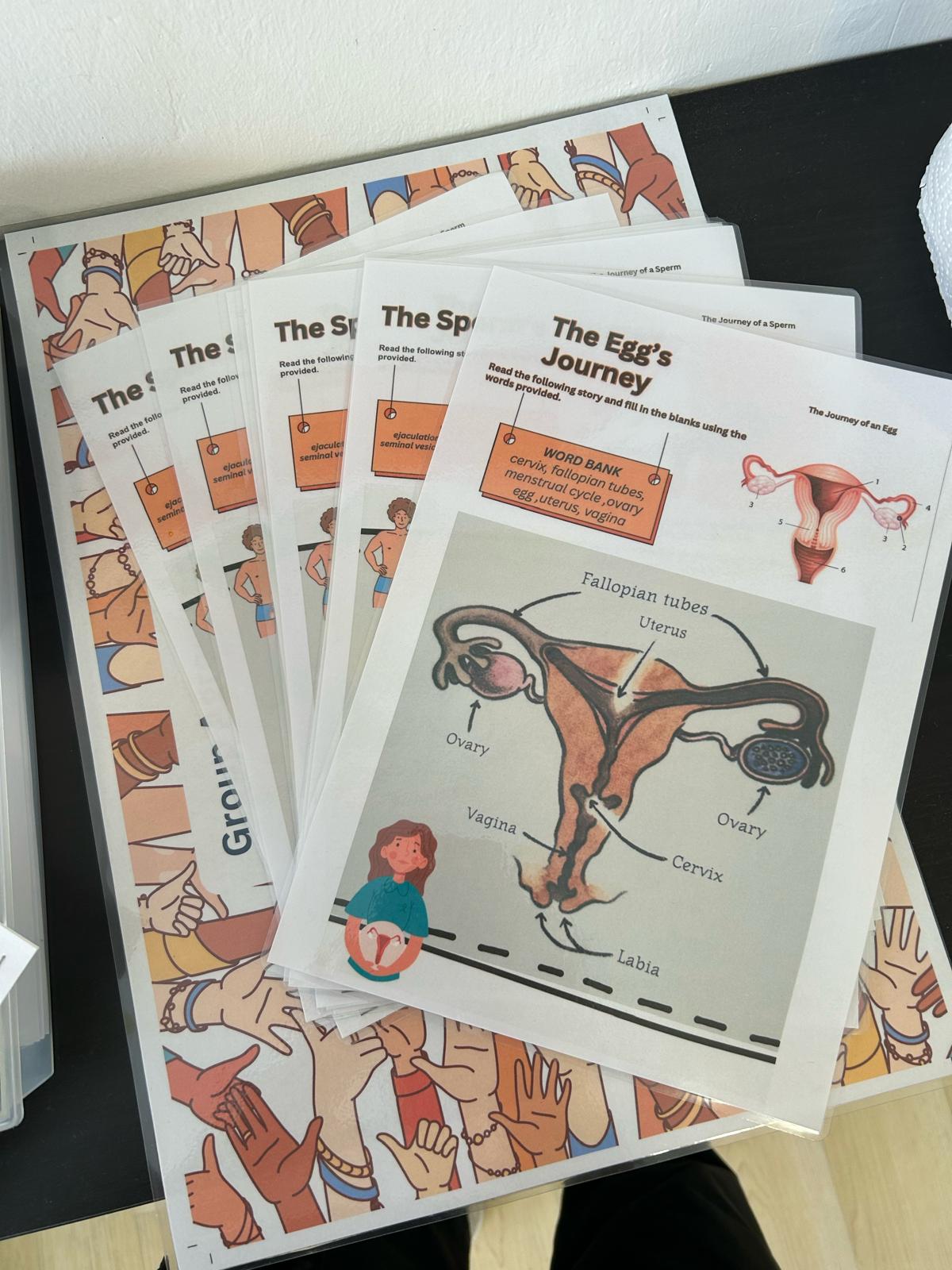
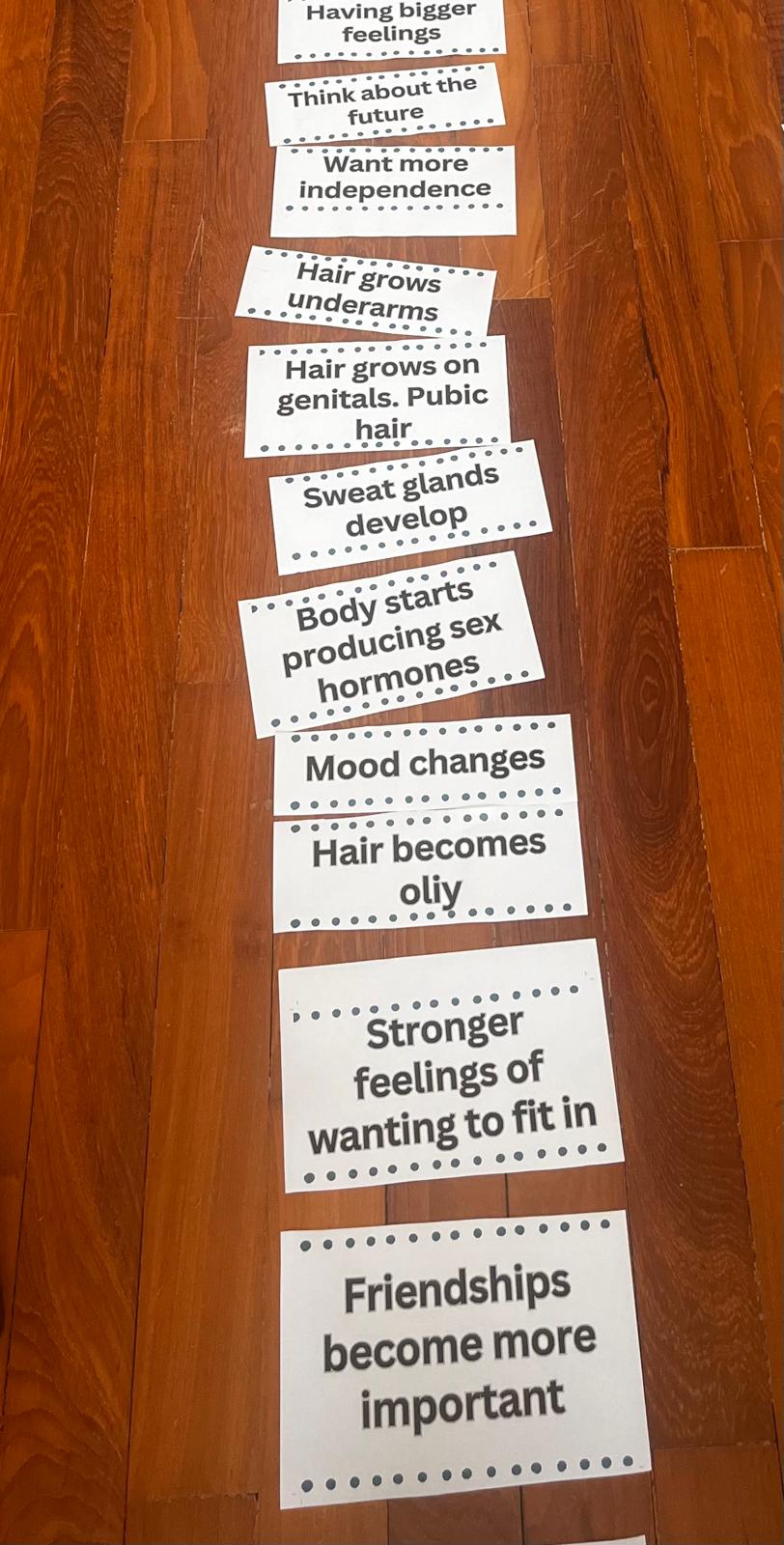
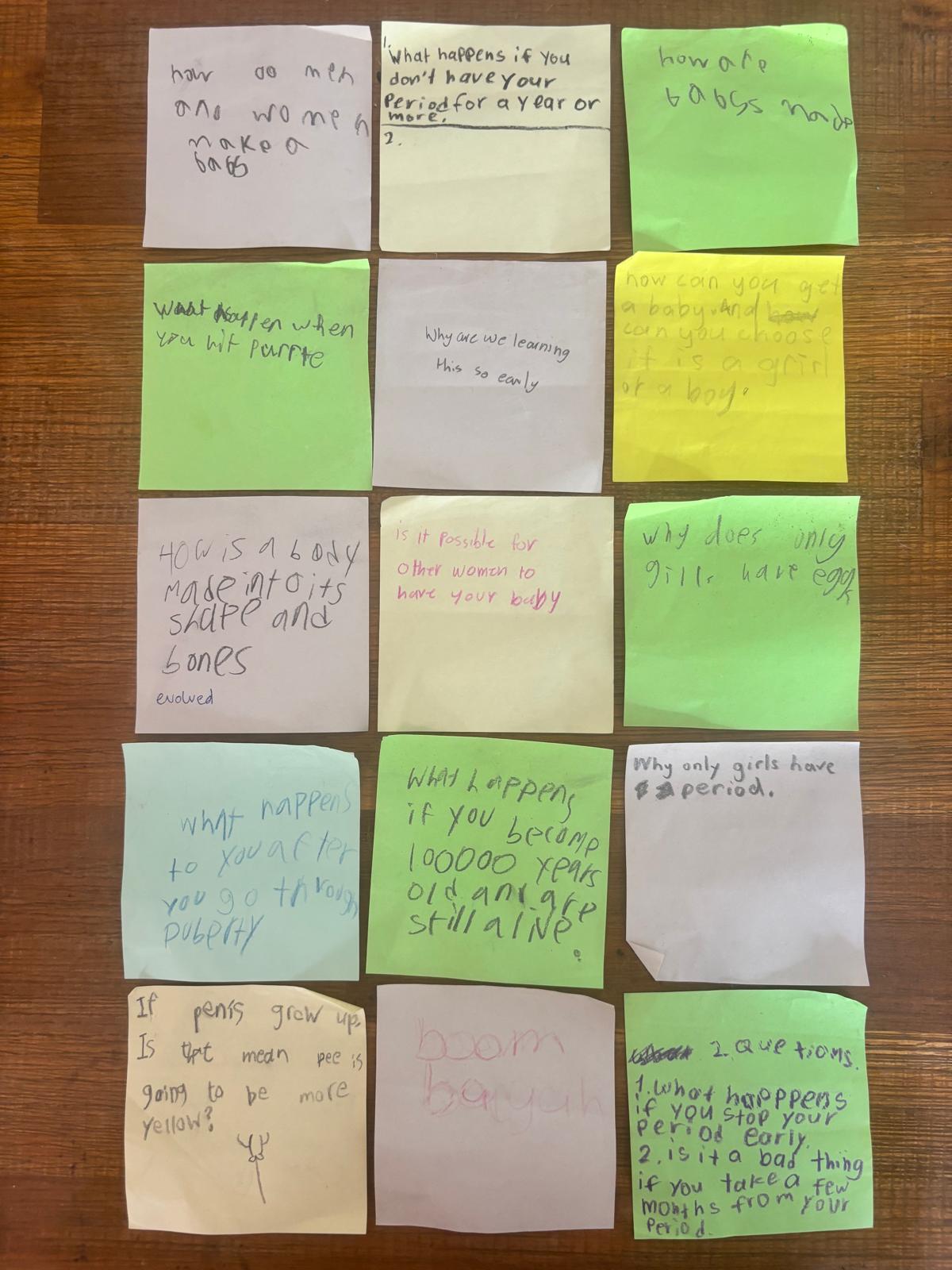
Real questions and materials from sessions across EtonHouse, One World, and Astor.

Accredited by the UK Relationships & Sex Education association.
Trauma-informed, neuro-affirming mental health counsellor with specialist training in sexual health and relationships. Solo private practice and voluntary practice for Singapore NGOs.
Cleared for working with children in Singapore — current, on file, and available for any school that needs it for safeguarding records.
Currently working with
What schools say
Masha conducted an engaging and impactful workshop for our Year 5 students at EtonHouse International School during their inquiry into Sharing the Planet. Through fun, interactive activities focused on conflict resolution, friendship and healthy relationships, she created a safe and supportive environment that encouraged meaningful participation and reflection. Her warm approach and ability to connect with students made the workshop both enjoyable and valuable.
When working with our school, Masha was sensitive to the needs of our students based on our curriculum and wellbeing needs. She adapted her approach for our children and presented engaging and collaborative activities for our students to support their development. Her approach, knowledge and activities were also in line with our Year 6 PYP Unit of Inquiry which connected it to our classroom learning.
Questions schools ask
Workshops are planned separately for ages 4–8, 9–12, and 13–18. Content, vocabulary, and depth all shift between bands — the youngest groups stay close to family, feelings, and safety; older groups move into puberty, consent, and online life.
Yes. Sessions are mapped to your year-level outcomes and reviewed with the school before delivery.
Yes, a parent-facing session is delivered online prior to the programme, Masha will share the resources and content for each session.
A typical session runs 45–60 minutes. Most schools book a short series across a term so children meet a topic, sit with it, and return with follow-up questions.
Masha is counselling-trained. Children are never put on the spot — there's a question box, a quiet space available, and a clear handover to your pastoral team if anything needs care after the room ends.
In-person for ages 4–9. Older groups can run in hybrid format, but the strongest sessions are still face-to-face — the work depends on reading the room.
Yes, and it's encouraged. A short staff debrief afterwards helps your team continue the conversation in ordinary classroom moments through the year.
Send a short note with your year levels, school setting, and the topics you're trying to cover. Masha replies with availability and a suggested shape for the term.
Planning workshops for your students?
A short message is enough. Masha replies with availability and a suggested shape for the term.
Start an enquirymasha.perepelova@gmail.com

Children usually know when adults are avoiding the subject. Good teaching gives them words they can use, questions they're allowed to ask, and a calmer way to understand what is changing.